Source student crystal egg shaped biros for Gifts, Decor, and Collectibles
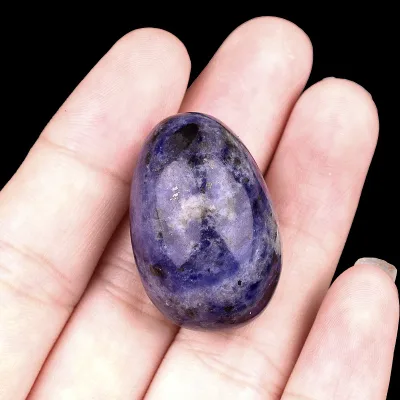
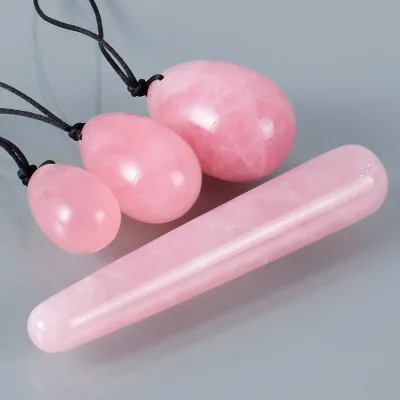
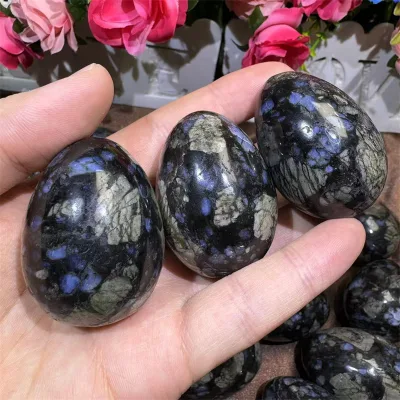
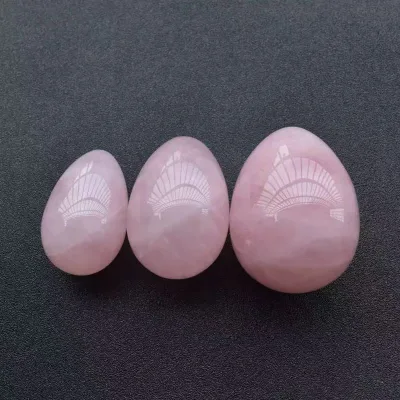
Explore 30 listings for student crystal egg shaped biros crafted from sodalite, jade, and rose quartz. Buyers can compare specifications, pricing, and customization options for these decorative gemstone items suitable for gifts and home healing stones.
Key considerations
Products List




Comprehensive Sourcing Guide
Strategic Sourcing Guide for Student Crystal Egg Shaped Biros
Understanding the Product Category and Market Reality
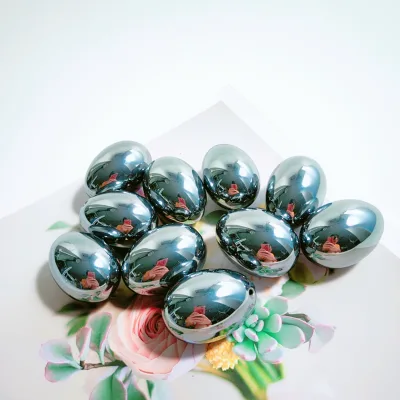
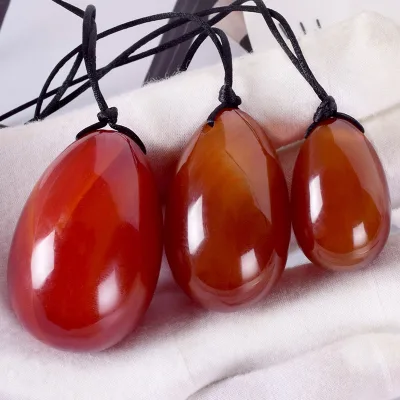
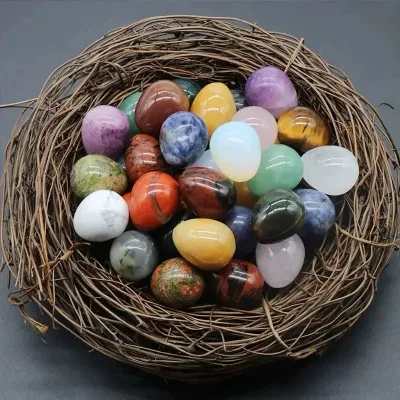
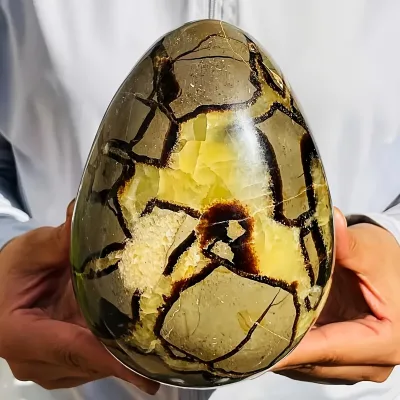
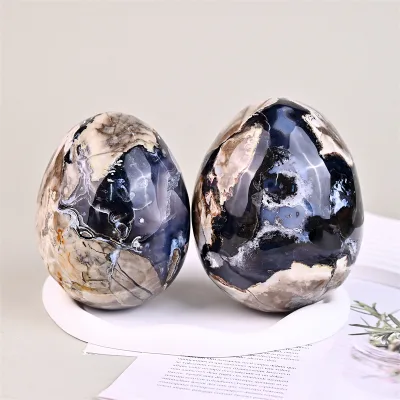
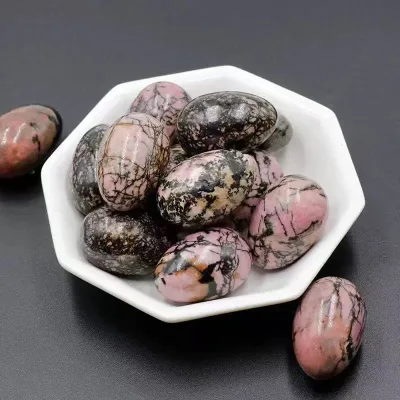
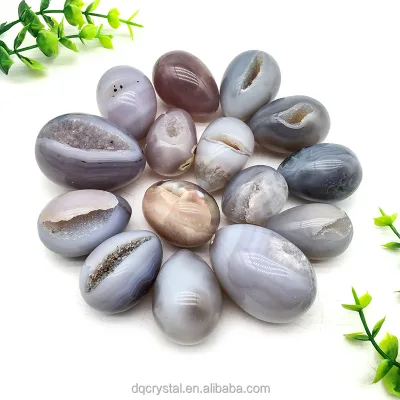
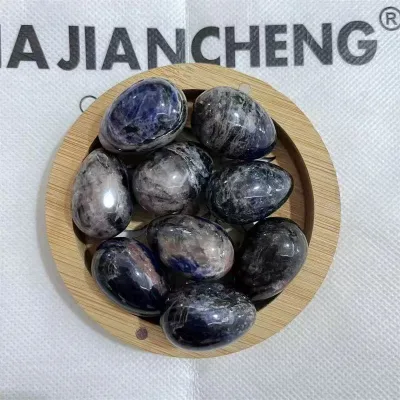
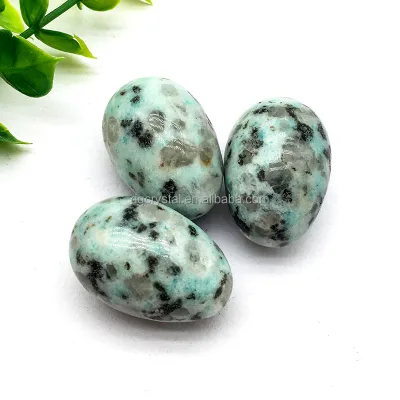
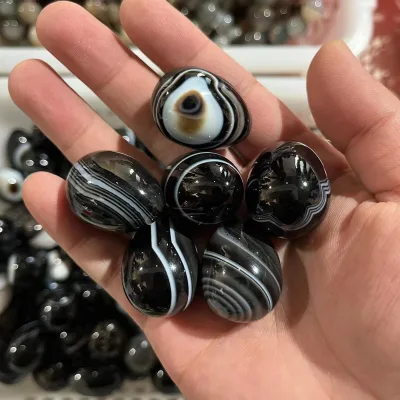
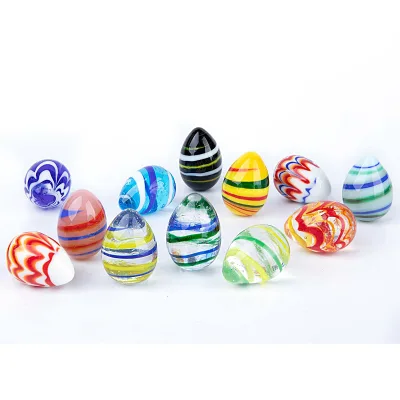
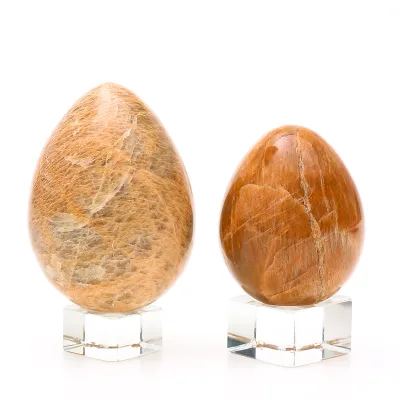
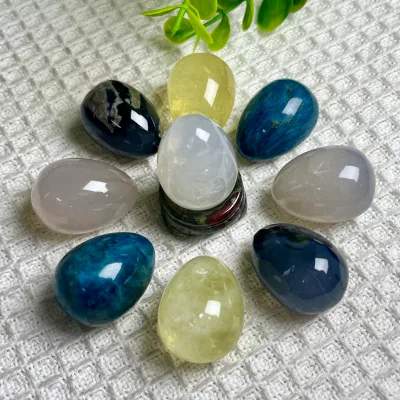
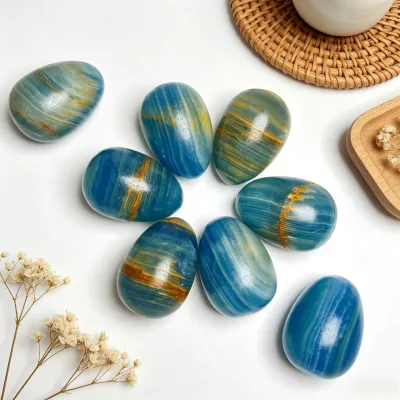
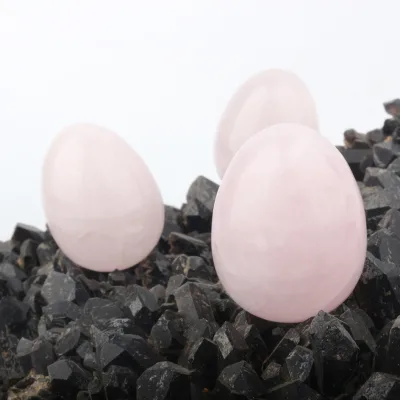
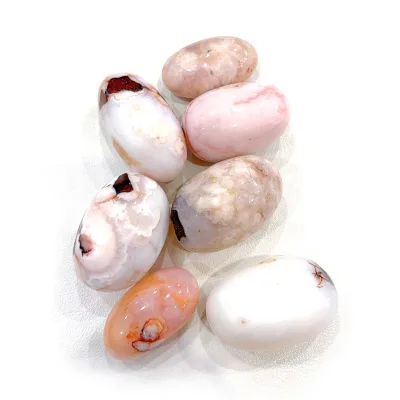
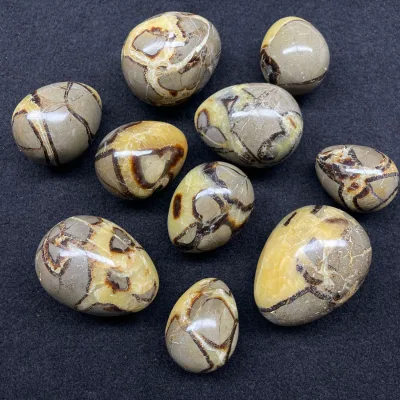
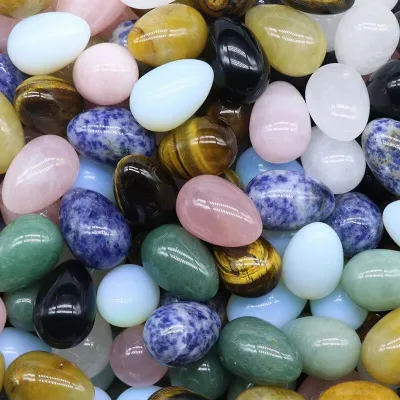
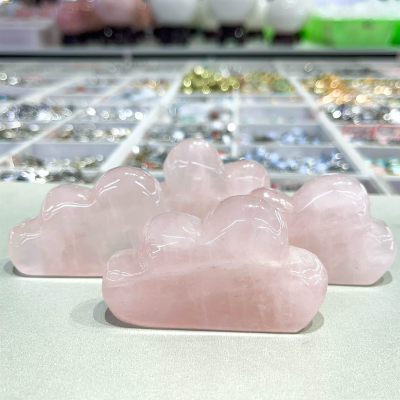
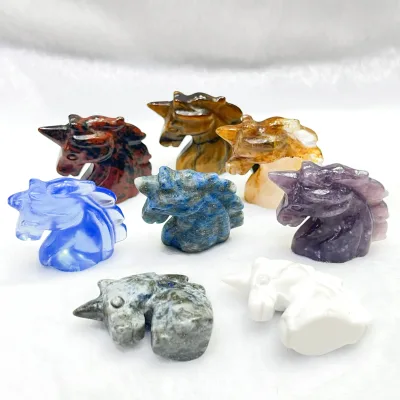
The core keyword "student crystal egg shaped biros" suggests a niche intersection between educational stationery and decorative gemstone products. However, a rigorous analysis of the available supply chain data reveals a significant divergence between this specific search term and the actual inventory profiles found in the current market. The observed product listings do not contain functional writing instruments (biros) with crystal egg-shaped bodies. Instead, the market is dominated by "Crystal Image" items, "yoni eggs," and "gemstone craft ornaments" made from materials such as sodalite, jade, and rose quartz.
For a buyer researching this keyword, the primary challenge is distinguishing between a literal interpretation of a writing tool and the decorative stone products that currently populate the supply base. The observed "Mini Stone Bag" and "Egg shaped sodalite gemstone" items are classified under "Home Healing Stones Decoration" and "Art & Collectible" rather than stationery. The "jade yoni eggs" listed are explicitly categorized for "Kegel Exercise, Gift & Yoga" and "Home Decoration." Consequently, a procurement strategy for "student crystal egg shaped biros" must first address this category mismatch. Buyers should verify if the intent is to source actual writing instruments with decorative stone casings or if the goal is to source the decorative egg-shaped stones themselves for use as educational props, gifts, or collectibles. The current supply data indicates that the latter is the only viable option available from the observed suppliers, with no evidence of integrated ballpoint mechanisms in the listed "egg" products.
Technical Specifications and Material Composition
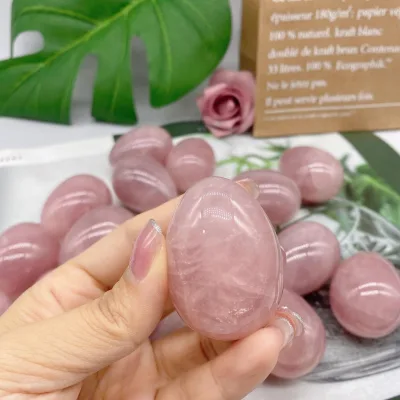
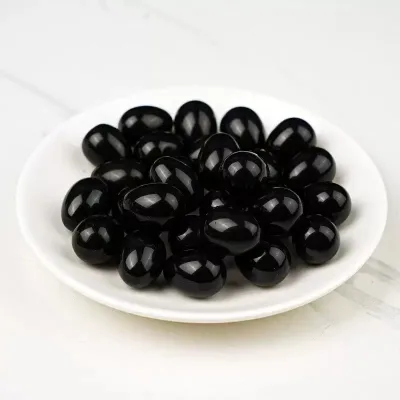
When evaluating the available inventory, technical specifications are critical for ensuring the product meets the intended use case, whether for decoration or educational display. The observed products feature distinct material compositions that define their physical properties and aesthetic value. The "Egg shaped sodalite gemstone" is a primary example, characterized by its specific mineral composition and "Polished" technique. This material is noted for its "Black" color in some listings and is presented as a "Gems" type product. Another significant category involves "terahertz jade yoni egg" and "rose quartz jade egg," which are marketed for their specific stone properties.
The physical dimensions of these items vary significantly across different model numbers. For instance, the "GC015" model is described as a "Mini Stone Bag" with a single package size of 8x5x2 cm and a gross weight of 0.100 kg. In contrast, the "CE028-29ec" model features dimensions of 30x43mm and 25x34mm, packaged in a 15x10x10 cm box with a gross weight of 0.300 kg. The "CE036-66fd" model offers a range of sizes including 30x20mm, 45x30mm, and 50x35mm, packaged in an 8x8x8 cm unit. These variations suggest that "egg" shapes are not standardized but are offered in multiple scales, ranging from small decorative pebbles to larger, more substantial stones.
The "Shape" is consistently identified as "Egg," and the "Style" is often categorized as "Folk Art." The "Technique" applied to these items is "Polished," which enhances their visual appeal and tactile smoothness. For a buyer seeking a product for students, the weight and size are crucial factors; the lighter 0.100 kg items may be more suitable for handling in a classroom setting, while the heavier 0.300 kg items might be better suited for display or therapeutic applications. The "Single package size" data indicates that these items are typically sold as single units or in small batches, with specific packaging details noting that some items, like the yoni eggs, are packed 50 pieces per carton with bubble filling to prevent damage.
Compliance, Certification, and Origin Verification
In the context of B2B procurement, verifying the origin and compliance status of the product is essential, particularly when the end-user demographic includes students. The observed supply chain data clearly identifies the "Place of Origin" as "Guangdong, China," a major manufacturing hub for gemstone crafts and decorative items. The "Regional Feature" is noted as "Europe," which may indicate the target export market or a specific design influence, but the manufacturing base remains in China.
Regarding certifications and standards, the provided data does not list specific third-party certifications such as ISO, CE, or RoHS for the gemstone products. The "Payment Term" section lists standard methods like TT, Paypal, Western Union, and Trade Assurance, but does not explicitly mention compliance documentation. Buyers must therefore treat the "Eco-friendly" attribute as an observation rather than a certified claim. To ensure safety, especially for products intended for student use, procurement teams should request specific test reports regarding heavy metal content, lead levels, and surface finish safety. The "OEM&ODM" capability and "Customized Logo Acceptable" features suggest that suppliers are flexible, but this flexibility does not automatically extend to regulatory compliance unless explicitly requested and verified.
The "Production Time" is estimated at about 2-4 weeks, with a "Sample time" of 3-5 days. This timeline is relevant for planning, but buyers should verify if these lead times include the time required for any necessary safety testing or certification acquisition. The "Port of dispatch" is listed as "SHenzhen," which is a standard logistics node for exports from the Guangdong region. Without explicit certification data in the product listings, the buyer's responsibility is to mandate that the supplier provides proof of compliance with the destination country's safety standards for educational materials or decorative items before finalizing the order.
Cost Drivers and Pricing Structure Analysis
The pricing structure for these gemstone-based products is influenced by several key factors, including material rarity, processing complexity, and order volume. The observed listed price range in USD spans from 0.21 to 125, a wide variance that reflects the diversity of product types and quality levels. The lower end of the spectrum likely corresponds to smaller, mass-produced decorative stones or samples, while the higher end may represent larger, more intricate pieces or bulk orders with custom branding.
The "MOQ" (Minimum Order Quantity) is a significant cost driver. The observed range is 1 to 500, but specific model numbers show distinct requirements. For example, the "GC015" model has an MOQ of 25 pieces per stone, while the "CE028-29ec" model requires 50 pieces. These thresholds directly impact the unit cost; ordering below the MOQ may result in higher per-unit prices or the inability to place an order at all. The "Selling Units" are listed as "Single item," which suggests that the base price is often calculated per piece, but bulk discounts are likely available once the MOQ is met.
The "Supply Ability" is listed as "1000000 pieces per Day" for some items, though another listing mentions "100000 acres per Day," which appears to be a data inconsistency or a specific metric for raw material sourcing rather than finished goods. Assuming the "pieces per Day" figure is accurate for finished products, the supply chain has the capacity to handle large orders, which can help stabilize costs for high-volume buyers. However, the "Lead time" of 15-30 days for production must be factored into the total cost of ownership, as longer lead times may require higher inventory buffers or expedited shipping costs.
Buyers should also consider the "Customized Logo" and "OEM&ODM" options as potential cost adders. While these services allow for branding, they typically incur setup fees and may extend the production timeline. The "Print Method" is noted as "1 Color" and "Embossing Printing," which are relatively low-cost customization techniques compared to full-color printing or complex molding, but they still contribute to the overall price structure.
Typical Applications and Educational Utility
The applications for the observed "crystal egg" products are diverse, though they do not align with the traditional function of a "biro" or writing instrument. The primary use cases identified in the supply data include "Home Healing Stones Decoration," "Art & Collectible," "Gift," and "Kegel Exercise." For a student-focused context, the most relevant applications would be as educational props for geology or mineralogy classes, as decorative items for school projects, or as gifts for academic achievements.
The "Home Healing Stones Decoration" and "Home Decoration" attributes suggest that these items are often used for aesthetic purposes. In an educational setting, they could serve as tangible examples of different gemstone types, such as sodalite, jade, and rose quartz. The "Egg shaped sodalite gemstone" and "rose quartz jade egg" provide a hands-on way for students to learn about mineral properties, including color, texture, and polish. The "Folk Art" style adds a cultural dimension, allowing for discussions on traditional craftsmanship and artistic techniques.
However, the "Kegel Exercise" and "Yoga" applications highlight a potential mismatch if the buyer intends to use these items for general student activities. These specific uses are geared toward adult wellness and physical therapy. If the products are sourced for students, it is imperative to clearly define the intended use to avoid confusion. The "Mini Stone Bag" and "gemstone craft ornament" items are more likely to be suitable for general educational or decorative purposes. The "Single gross weight" of 0.100 kg to 0.300 kg makes them manageable for handling, but their durability and safety for children should be verified.
Supplier Evaluation and Quality Control Protocols
Evaluating suppliers for this category requires a focus on their ability to deliver consistent quality and adhere to safety standards. The observed suppliers offer "OEM&ODM" services and accept "Customized Logo," indicating a level of flexibility and customization capability. The "Brand Name" "Hongzhuo" appears frequently in the listings, suggesting a specific manufacturer or brand identity, but buyers should not rely on a single brand without verifying the underlying production capabilities.
Quality control should be a priority, particularly given the "Polished" technique and the "Egg" shape. Buyers should request samples to verify the finish, ensuring that there are no sharp edges or rough spots that could pose a safety risk. The "Packing Details" mention "bubble filled" packaging for 50 pieces per carton, which is a positive indicator of attention to detail in shipping. However, buyers should also verify the "Single package size" and "Single gross weight" to ensure that the packaging is robust enough to prevent breakage during transit.
The "Sample time" of 3-5 days is a useful metric for evaluating supplier responsiveness. A quick turnaround on samples allows for faster quality assessment and decision-making. Buyers should also check the "Production Time" of 2-4 weeks to ensure it aligns with their project timelines. The "Lead time" of 15-30 days for larger orders should be confirmed with the supplier to avoid delays.
Long-Term Procurement Considerations and Strategic Planning
For long-term procurement, buyers must consider the scalability and sustainability of the supply chain. The "Supply Ability" of 1,000,000 pieces per day suggests that the market has the capacity to support large-scale orders, but buyers should verify this capacity against their specific volume requirements. The "MOQ" of 25 to 50 pieces per stone indicates that the supply chain is structured to handle both small and large orders, but the cost implications of these thresholds must be carefully managed.
Sustainability is another critical factor. The "Eco-friendly" attribute is listed, but without specific certification data, buyers should inquire about the sourcing of the raw materials. The "Place of Origin" in Guangdong, China, is a region known for its manufacturing efficiency, but environmental regulations and practices can vary. Buyers should request information on the ethical sourcing of the gemstones and the environmental impact of the polishing and packaging processes.
Finally, the "Payment Term" options, including TT, Paypal, Western Union, and Trade Assurance, offer flexibility but also require careful management of financial risk. Trade Assurance, in particular, provides a layer of protection for buyers, ensuring that payments are released only when the order meets the agreed-upon specifications. Buyers should leverage these payment terms to mitigate risk and ensure that the supplier delivers the product as described.
In conclusion, while the keyword "student crystal egg shaped biros" may initially suggest a writing instrument, the actual market offers a range of decorative and functional gemstone eggs. By understanding the technical specifications, verifying compliance, analyzing cost drivers, and evaluating supplier capabilities, buyers can make informed decisions that align with their specific needs, whether for educational, decorative, or gift purposes. The key is to bridge the gap between the search term and the available product reality, ensuring that the final procurement meets the intended application and quality standards.
FAQs
What materials are used for egg shaped crystal products?
Products use sodalite, terahertz jade, and rose quartz. These gemstones are polished for smooth finishes and sold as decorative stones rather than writing instruments.
How can I customize the logo on these items?
Suppliers accept customized logos and offer OEM and ODM services. The printing method typically includes one-color embossing or similar techniques on the stone surface.
What is the minimum order quantity for these stones?
Minimum order quantities range from 25 to 50 pieces per stone type. Specific models like GC015 require 25 pieces while others like CE028-29ec require 50 pieces.
Can I get samples before placing a bulk order?
Yes, sample times are typically 3 to 5 days. Buyers can verify product quality and dimensions before committing to the full production run of 2 to 4 weeks.
Where are these gemstone products manufactured?
The place of origin is Guangdong, China. The regional feature is noted as Europe, indicating the target export market for these decorative items.
What are the dimensions of the egg shaped stones?
Sizes vary by model, with options like 30x43mm or 50x35mm. Package sizes range from 8x5x2 cm for mini bags to 15x10x10 cm for larger sets.